
Why So Ghetto?
How culture accepts and rejects the very thing it loves

From the Hood to The Hood???
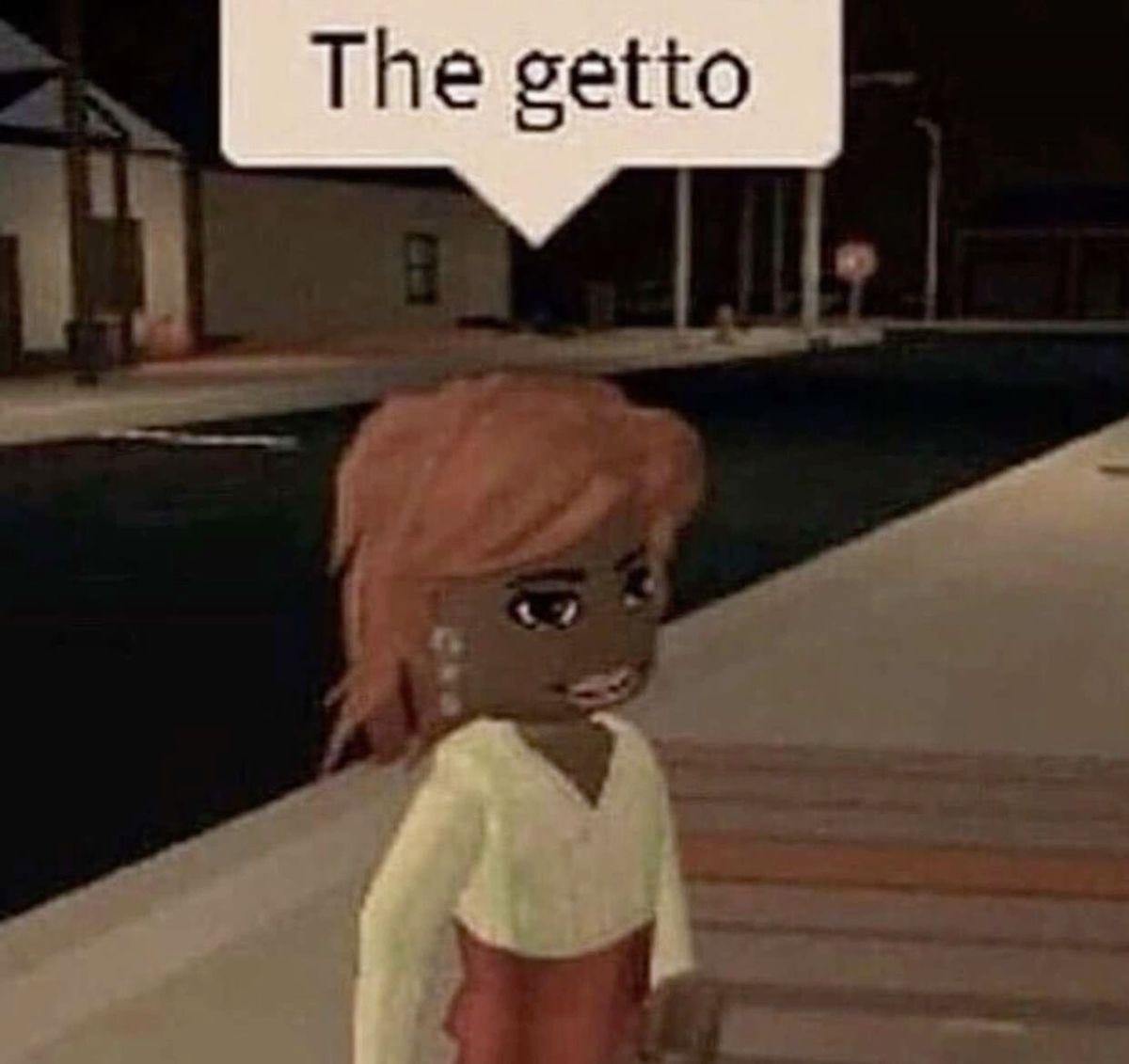
As I sit on this hard church floor as the sermon rings through this rugged building, I write from my phone pondering on the word: ghetto. ( I should be listening to the speaker lol )
A word that you have probably used to describe one of the few:
a person - an action or speaking pattern
A location
An object - an article of clothing
My relationship with this word has always been a war inside of me because it seems as if one side is “ culture “ and the other is atrocity. Making the transition from the “ hood “ to the “ glorious gates “ of suburbia I had a bit of a culture shock. The things that were once normal and wildly accepted such as RnB music, black owned stores, soul food and overall community was not looked down upon or shunned.
We moved 45 minutes away. Away from the culture that maybe my parents deemed as unsafe - mirroring culture?
In 2008, when I moved it felt like another “ Great Migration “ - but it didn’t feel so great. Another version of the hood. 😐
uhh, return to sender?

The word ghetto now is associated with the Black community - it’s okay to admit it.
Remember there’s nothing new under the sun > go back to Venice in 1516.
It started with a walled island in a city’s center where Jewish residents were confined every night. The name originated from the old foundry that once stood there. No music or no struggle as art or culture to pull from it.
Four hundred years later, it crosses an ocean and lands on us. Ghetto moved from these Jewish residents to black communities that heavily influenced > redlining, restrictive covenants, banks, and city planners drew red lines around Black neighborhoods, deciding, on paper, that no one would lend, insure, or invest there. My grandparents’ generation didn’t choose the hood; it was zoned that way and then ( due to lack of resource and development) problems arose.
By the time sociologists began writing papers on “the ghetto” in the 1950s and ‘60s, a new shape started to form. Ghetto fell into academic field studies which looked like studying zip code, behavioral activities ( stereotypes ), publishing theories on the dysfunction without ever really questioning why the “ fences “ were built in the first place.
From Ghettos came innovation and ingenuity. Those same fences that were so perfectly crafted on paper made way for creativity that pushed past the ceiling that was set in place. You see it just as much as I do.
fashion. music. art.
unique… unforgettable … and now being made a trend ( just a cheaper version ).
Baby Phat, Babyyy
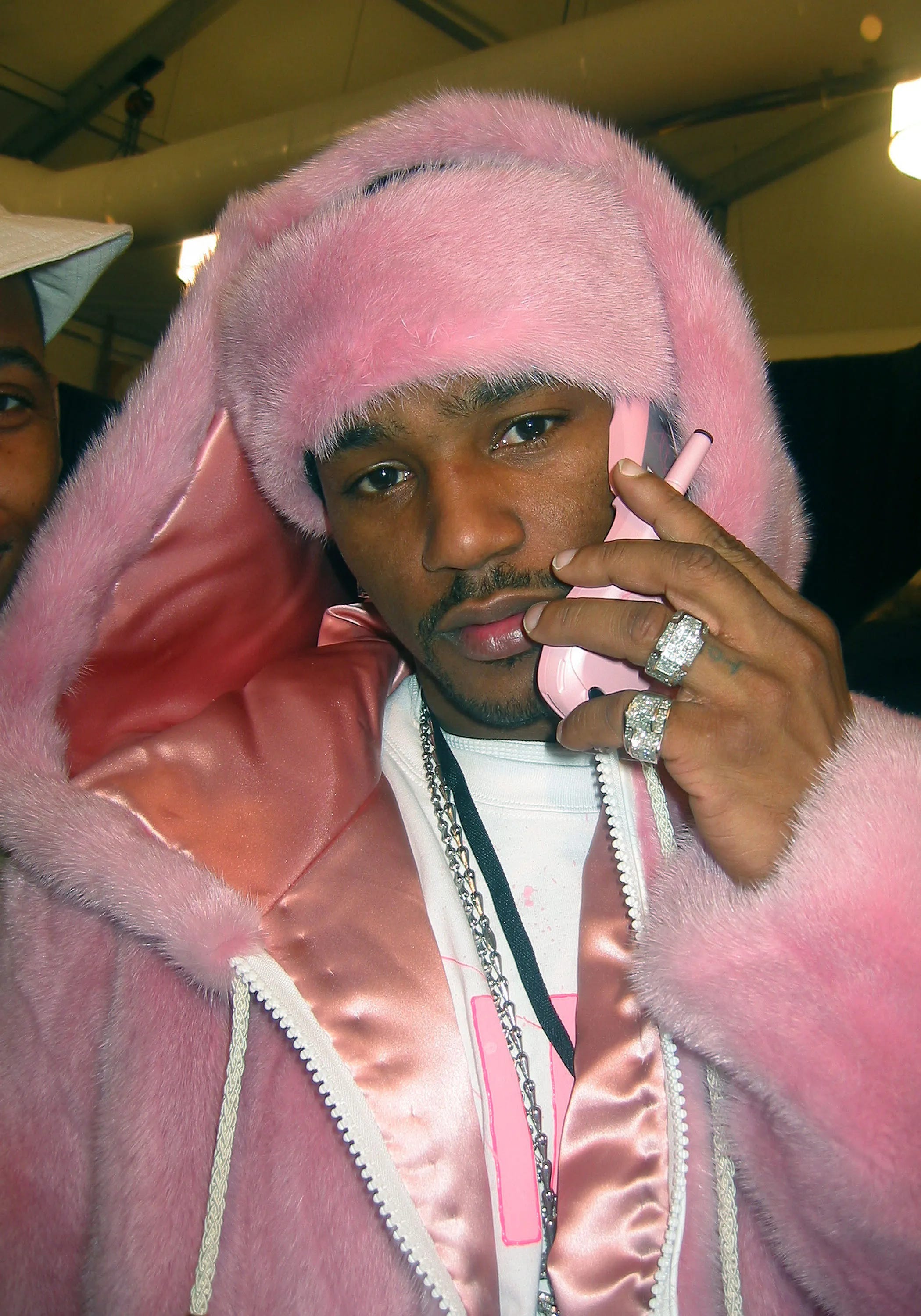
Remember when I mentioned that fence from earlier well funny thing about a fence is that the second it’s not attached to the people who built it, it becomes a statement piece.
I’ve only seen Baby Phat a handful of times ( due to my familys’ Great Migration my access to the nicities of black culture was limited ). Ghetto Fabulous was the term that defined the period created by Andre Harrell, an executive, naming a shelf position. Louis Vuitton next to Timberlands.A new market segment that had a catchy name, but also became the word that got my mother and father eyeing a 45 minute and prompted my sister to sneak culture into the house.
Etruscans wore gold teeth three thousand years ago as a wealth flex = today we know them as .. grills. Then it resurfaces in hip-hop and instantly means the opposite > poverty, danger, don’t-hire-him. All that moved was who was looking and how safe they felt calling it low-class. Give it another twenty years and it’s on a runway in Paris and nobody’s calling it ghetto anymore, but they’re calling it “statement jewelry.”
Bonnets ran the same play. Ghetto in my grandmother’s kitchen at six a.m. and ghetto on the walk to the store. Now Kylie Jenner is wearing it on a magazine cover and now it’s high fashion.
Who do we have to thank for this ( in more of a positive way of course )?
Kimora Lee.
Her overview:
From STL > got discovered for modeling at the age of 14.
Moved to Paris and became Karl Lagerfeld’s muse
In 1992 Russell Simmons launches Phat Farm, a menswear streetwear label, unrelated to Kimora at this point. - they marry in 1998.
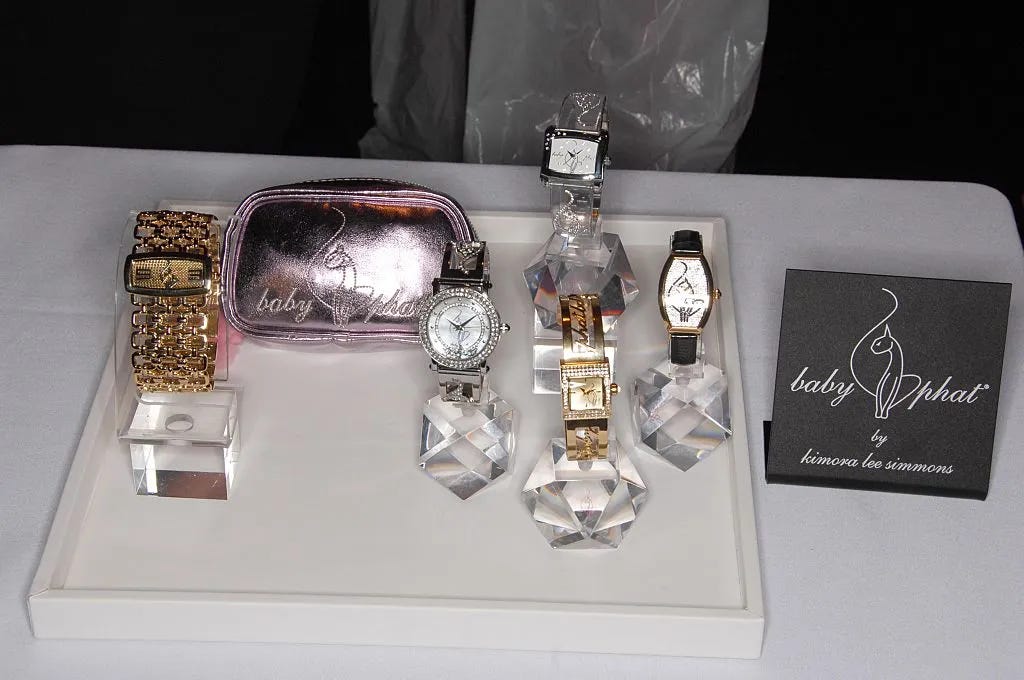
1999 — She steps in herself as designer and creative director for the womens line. Baby Phat launches with low rise jeans, shruken tees and a rhinestone cat logo (named after her pet Siamese cat, Max).
2003’s — Baby Phat becomes one of the defining labels of the era, particularly among young Black women and teens, at its peak grossing into the hundreds of millions annually.
Red, White and White
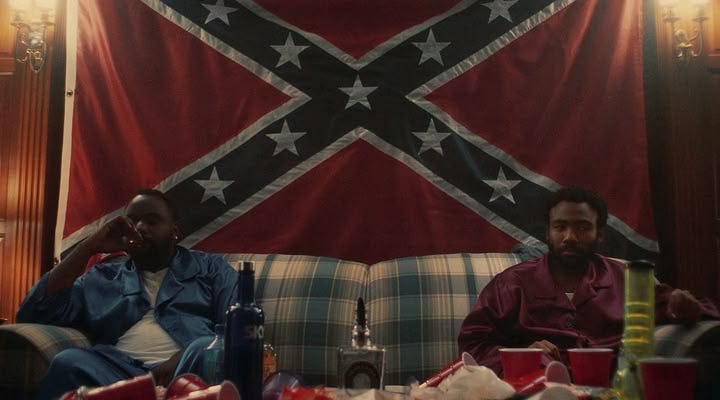
The truth is culture is leaning back conservative right now. The tones, the textures, the whole national mood screams red, white, and blue with a bald eagle tattooed on its forehead. The exact aesthetic that suburbia moved my family 45 minutes to get closer to. In that same climate, high fashion is biting into ghetto harder than it ever has. Dare I say Marc Jacobs ( the long nails never sat right with me - it felt performative).
Somebody told me a joke once: if you want to see where culture’s headed, just watch a Kardashian. I laughed when I heard it. What happened to the ass and long fingernails?! Because that’s the whole thin line right there, isn’t it > the line between adoption and rejection was never really a line to begin with. Culture rejects you out one side of its mouth and adopts your aesthetic out the other, it might be in the same sentence, and the only thing separating “ghetto” from “iconic” is whether the person wearing it is the kind of person the room already decided to forgive.